
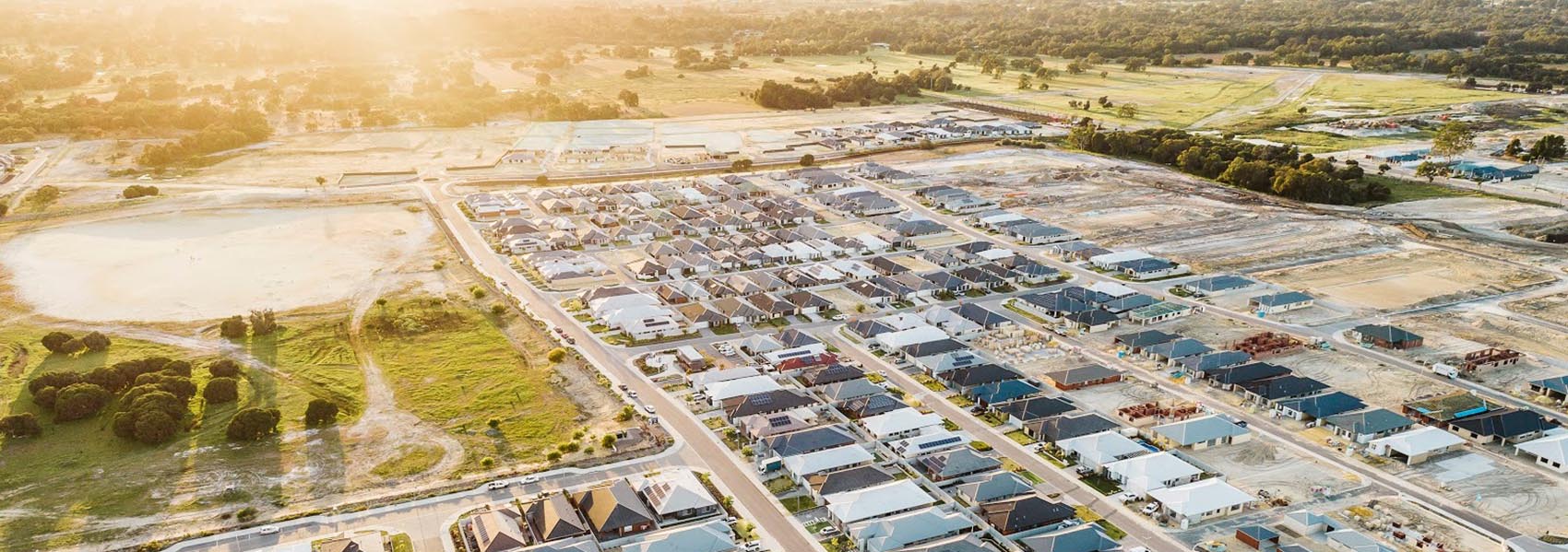
Once it's gone, it's gone.
Victoria's farms grow a quarter of the nation's food. Help us protect them for the future.
Australia's best farmland is under threat, and governments have no plan to protect it.
of farmland lost to housing development in the past decade.
Predicted drop in share of Melbourne's food needs met from its own foodbowl.
right to farm laws, independent assessment or statutory protections. NSW and Queensland have all three.
A quarter of the nation's food, from three per cent of its farmland.
Victoria's farmland is some of the most productive country in the world. It is also some of the least protected.
Farmland is being taken out of production for housing, energy infrastructure and mining, with no independent body tracking what's being lost or measuring the long-term cost to food security.
Compensation for farmers hosting transmission lines, wind farms or mines is inconsistent and often opaque. Land use conflicts are dividing farming communities, and non-disclosure agreements are silencing landholders.
We're not asking for development to stop. We're asking for a plan for a sustainable future.
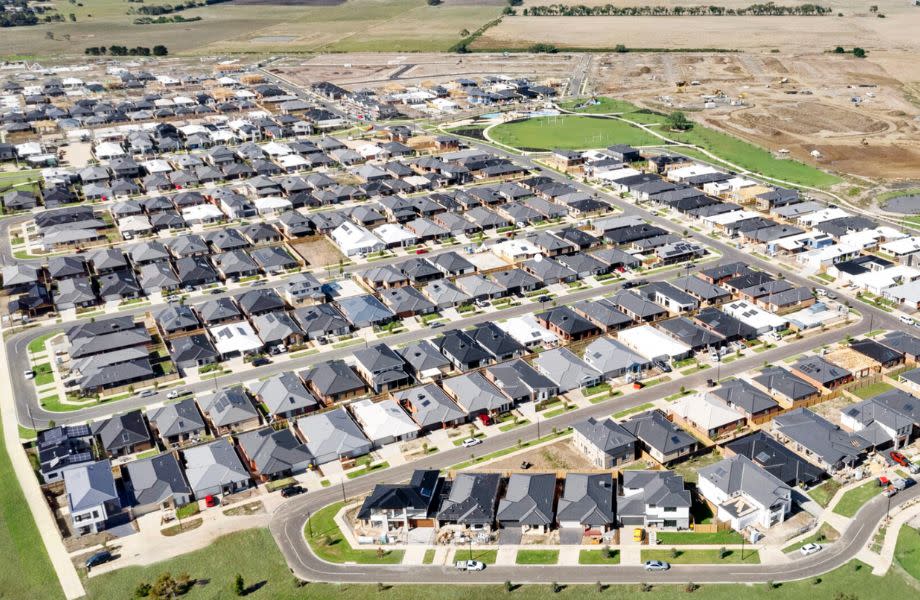 Housing
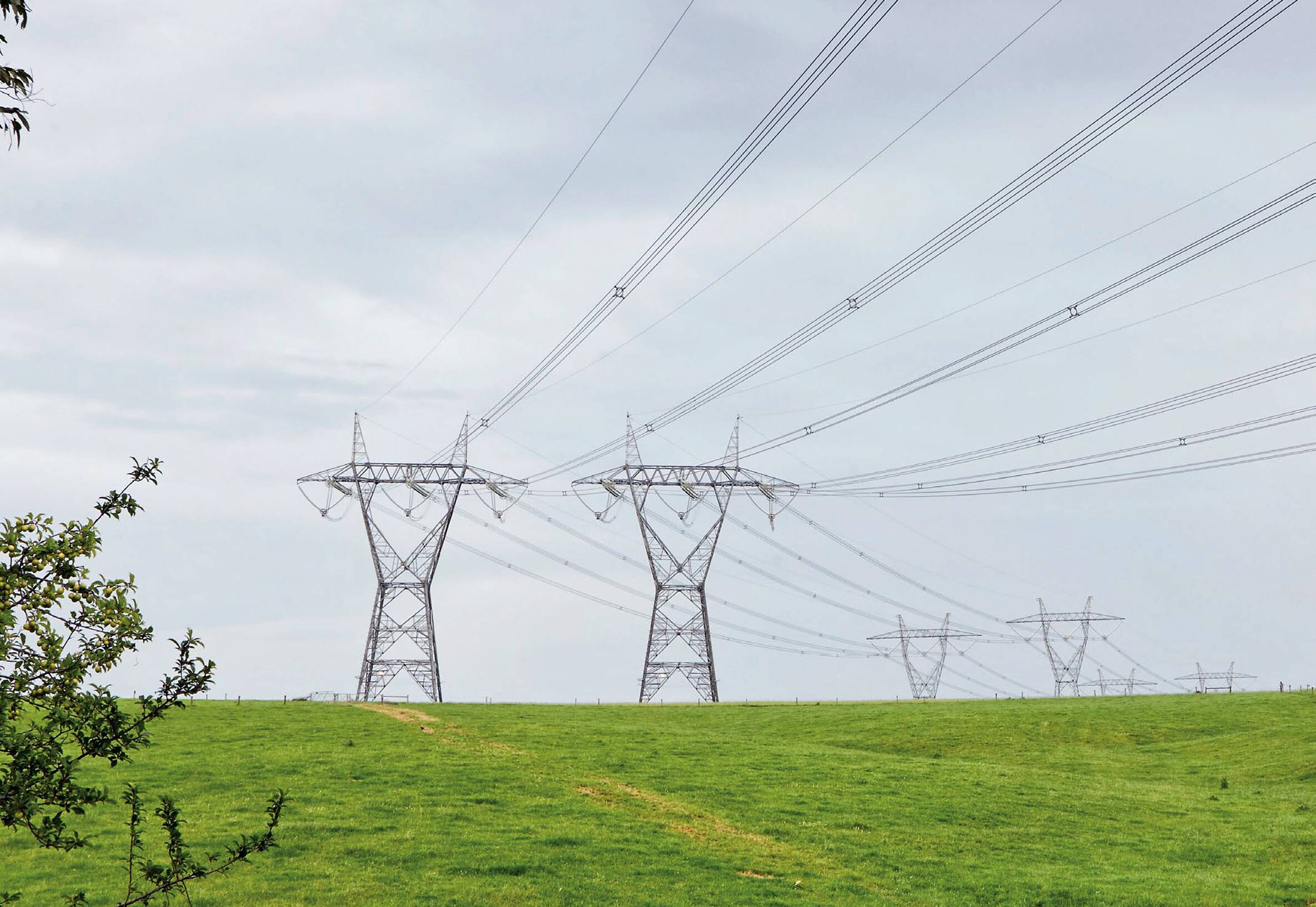 Energy infrastructure
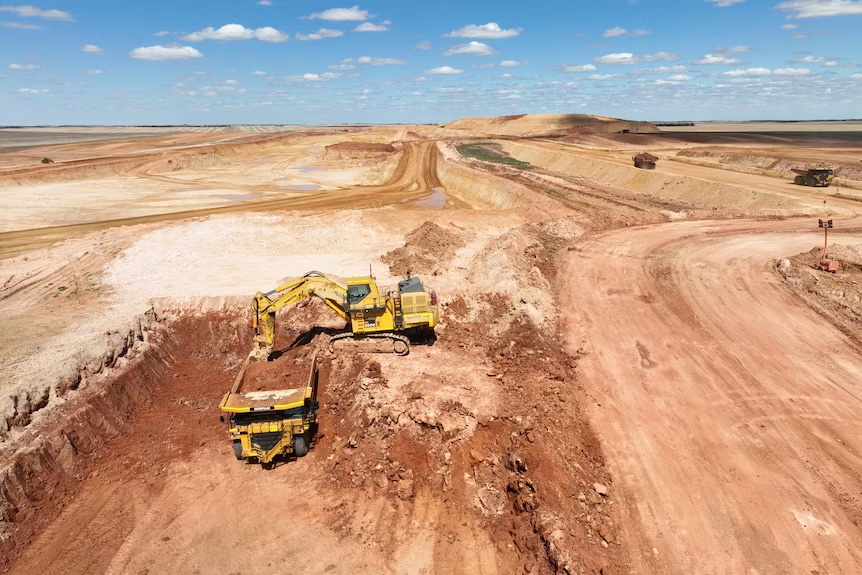 Mining
The petition
To Victoria's election candidates and the next state government
Victorian farmland feeds the nation. Protect it. Adopt the VFF's Farmland Protection Plan:
- Fair, commercially comparable compensation for farmers hosting energy, transmission and mining infrastructure.
- An independent Farmland and Food Security Commissioner, and a real say for communities in how much development happens in their area.
- Binding rehabilitation of farmland used for energy or mining, so no farmer is left paying to fix land a developer walked away from.
- A Victorian Right to Farm Act, modelled on the NSW legislation.
Australia's best farmland deserves Australia's strongest protection.
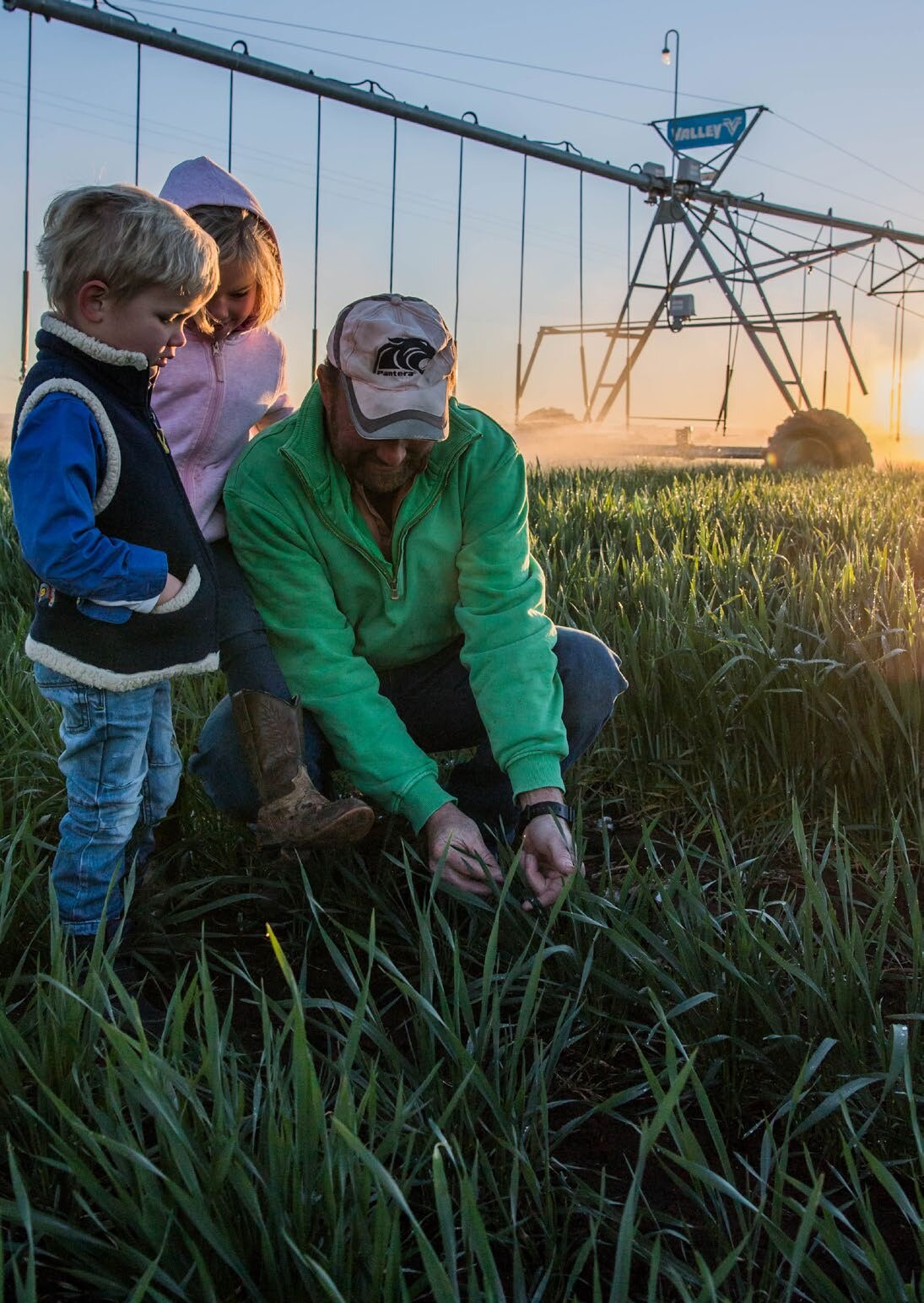
We don't want to look back and wish we'd done more to protect our precious farmland when we had the chance.
Ryan Milgate VFF President
Make this impossible to ignore.
Every name sends a message to the candidates standing in 2026. The bigger the number, the harder it is for any of them to treat farmland protection as optional.
