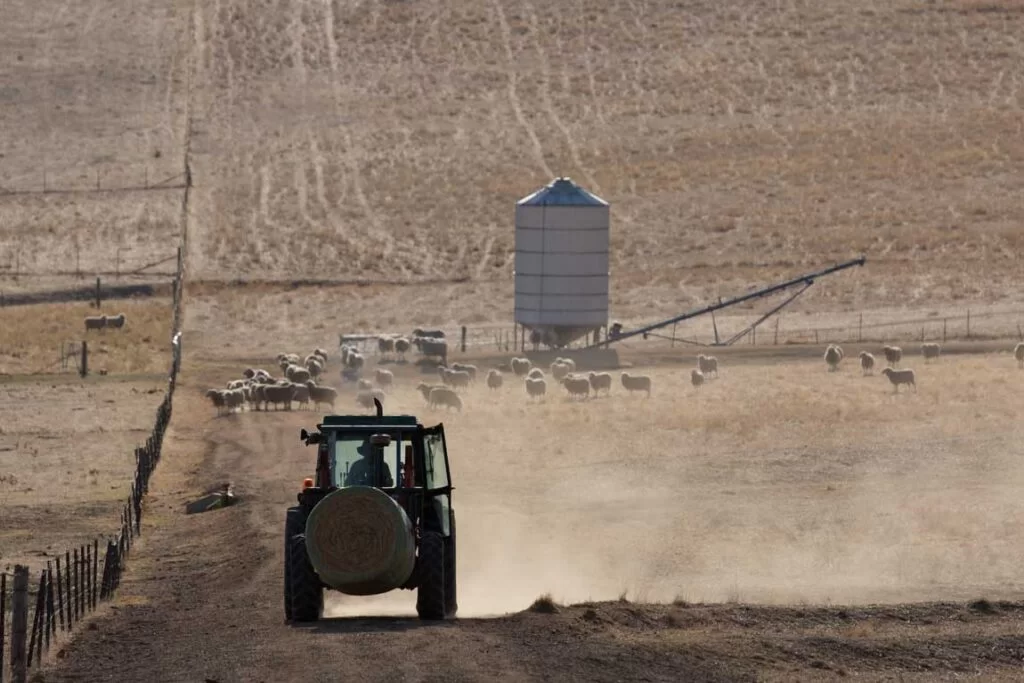
Victoria’s record-breaking drought is far from over and the VFF is warning farmers are facing mounting pressures including soaring costs, depleted pastures and plummeting farm finances that could spell increased prices at the supermarket checkout.
VFF President Brett Hosking said farmers in every region of the state are under pressure as they approach the critical spring growing season.
“Pasture levels remain critically low, fodder prices are high, and the cost of getting feed onto farms has never been greater. Some areas have been experiencing record-low rainfall since 2023 and even the best-prepared farmers are feeling the pinch,” Mr Hosking said.
The VFF is calling for expanded and long-term funding from both the Federal and Victorian Governments to help ensure increased support for primary producers, including:
- 0% interest loans with no repayments for two years to give farmers breathing room;
- Extending drought support beyond the South West region to the entire state;
- Expanded Local Government rate relief for primary producers;
- Assistance to help bring in fodder from greater distances and cover associated costs.
Mr Hosking said the impacts of the drought are beginning to be felt beyond the farm gate.
“If farmers can’t feed livestock or keep herds productive, red meat prices will rise, milk volumes will fall, and ultimately consumers will feel the price-pinch at the checkout.”
“Even if significant rain arrives soon, the recovery will last years. This isn’t a quick fix, we need long-term and sustained drought recovery funding that supports farmers and our regional communities.”
“This drought has placed an economic handbrake on regional Victoria. Every dollar that is invested into our regional communities returns at least four dollars and that goes an incredibly long way to keeping us on our feet,” Mr Hosking said.
The Victorian agriculture industry is an economic powerhouse and indirectly employs more than 150 thousand people, contributes more than $20 billion to the Australian economy and is responsible for:
- 64% of all milk production in Australia;
- 46% of national sheep meat production;
- 19% of Australia’s 1.9 million tonnes and beef and veal;
- 13% of total Australian grain production;
- 25% of Australia’s horticulture production